
Eat Well, Live Well:
Your Practical Food Guide
Navigating your plate does not have to be complicated. Our editorial team has compiled an in-depth, reader-friendly guide covering the best food choices, smart meal strategies, and everyday habits that support stable blood sugar and lasting energy.
Looking for practical, evidence-based food tips? Read our complete food guide →
Why Food Choices Matter
Science consistently shows that what you put on your plate has a profound effect on how your body manages energy, weight, and daily wellbeing. These three pillars guide our editorial content.
Food Quality
Whole, minimally processed foods are associated with more stable energy levels and better long-term wellbeing. Our guides break down which ingredients deliver the most nutritional value.
Blood Sugar Balance
Foods with a low glycemic impact help prevent the sharp rises and falls in blood glucose that affect mood, appetite, and concentration throughout the day. Learn which foods work in your favor.
Meal Structure
Timing, portion size, and food combinations all influence how your body responds after eating. Our editorial resources help you build a daily structure that keeps you energized and satisfied.
Top Food Categories to Explore
These six food groups form the backbone of a balanced, blood-sugar-friendly eating pattern. Click any category to read our in-depth editorial articles and practical tips.
Non-Starchy Vegetables
Spinach, broccoli, courgettes, peppers, and leafy greens are among the most valuable foods you can eat regularly. Rich in fiber and micronutrients, they fill your plate without spiking glucose. Our guide covers the best choices and how to prepare them.
Read the guide →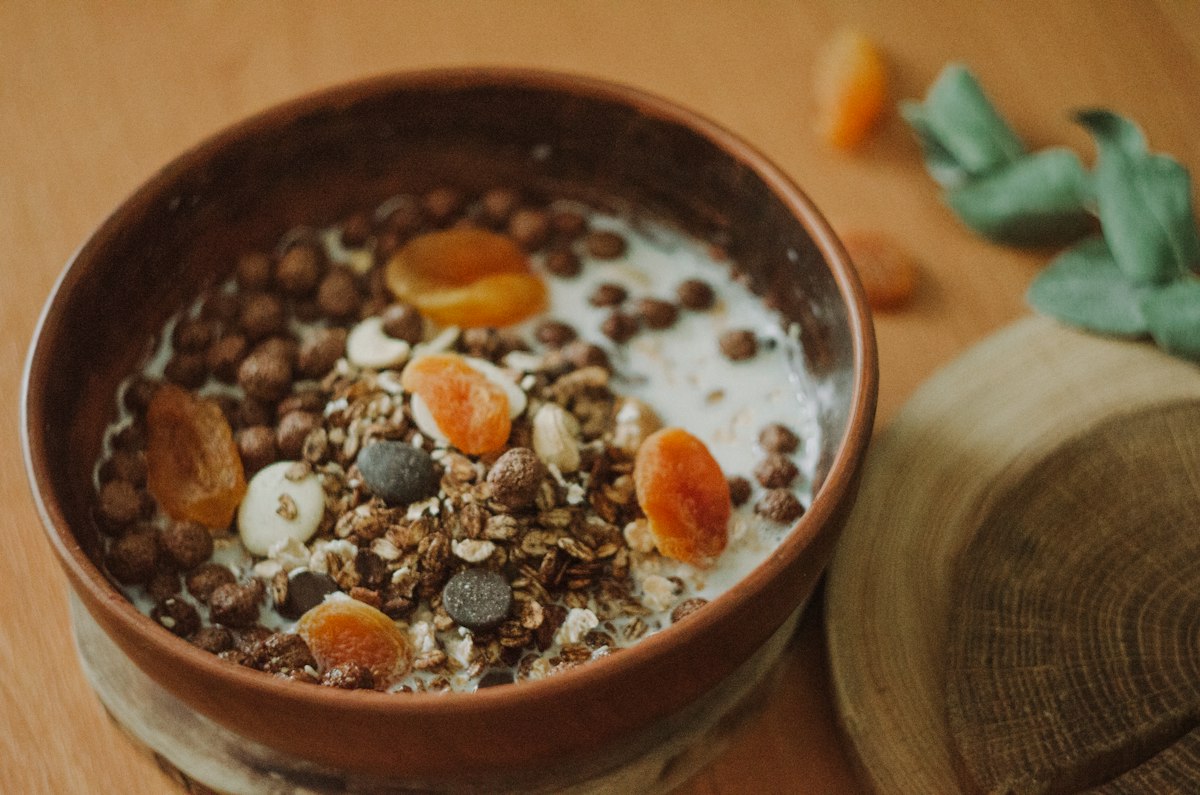
Legumes, Pulses & Beans
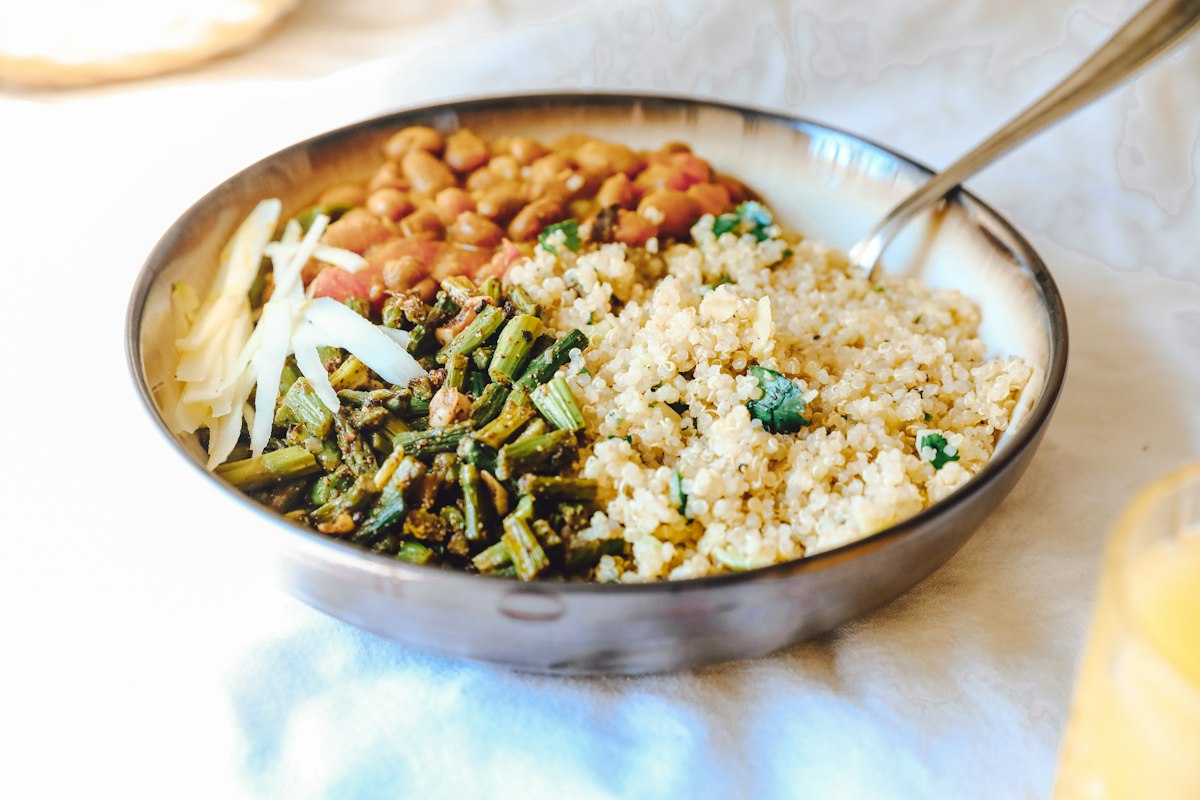
Lentils, chickpeas, black beans, and kidney beans are nutritional powerhouses that combine protein and fiber to slow glucose absorption. They are among the most recommended staple foods in a balanced eating pattern and are endlessly versatile in the kitchen.
Read the guide →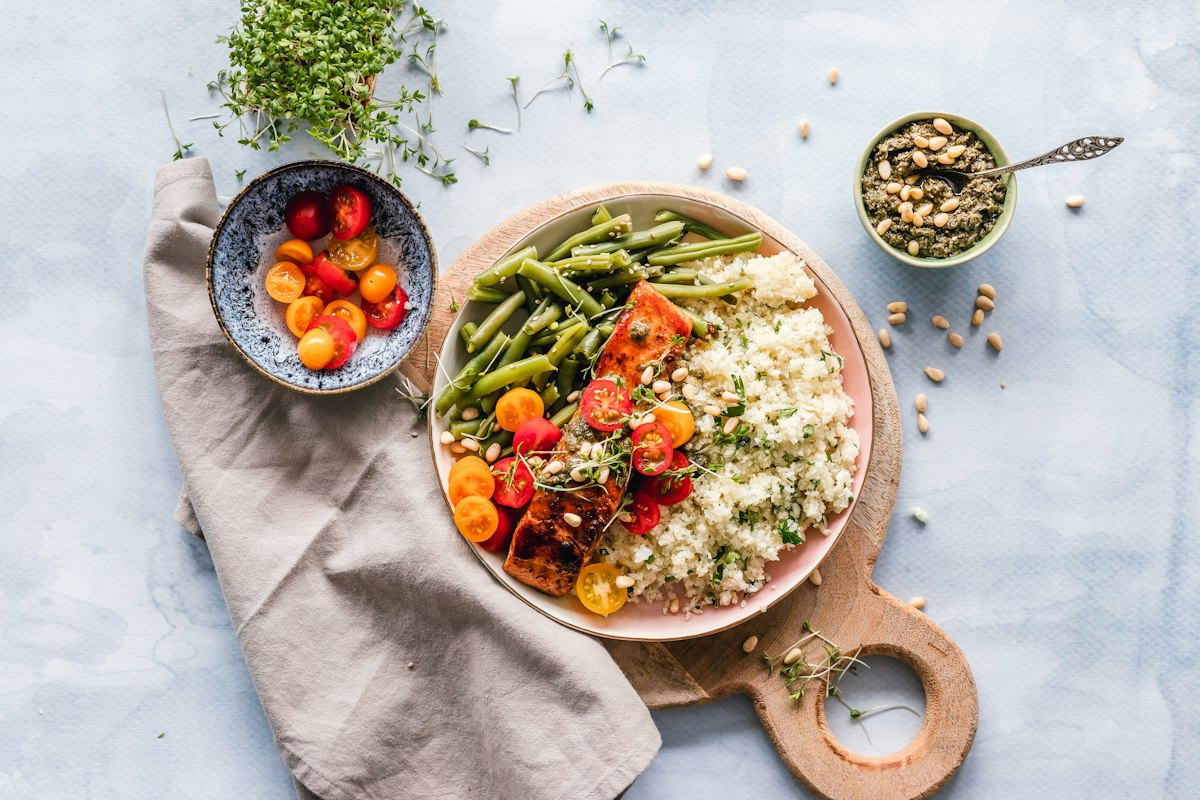
Whole Grains & Oats
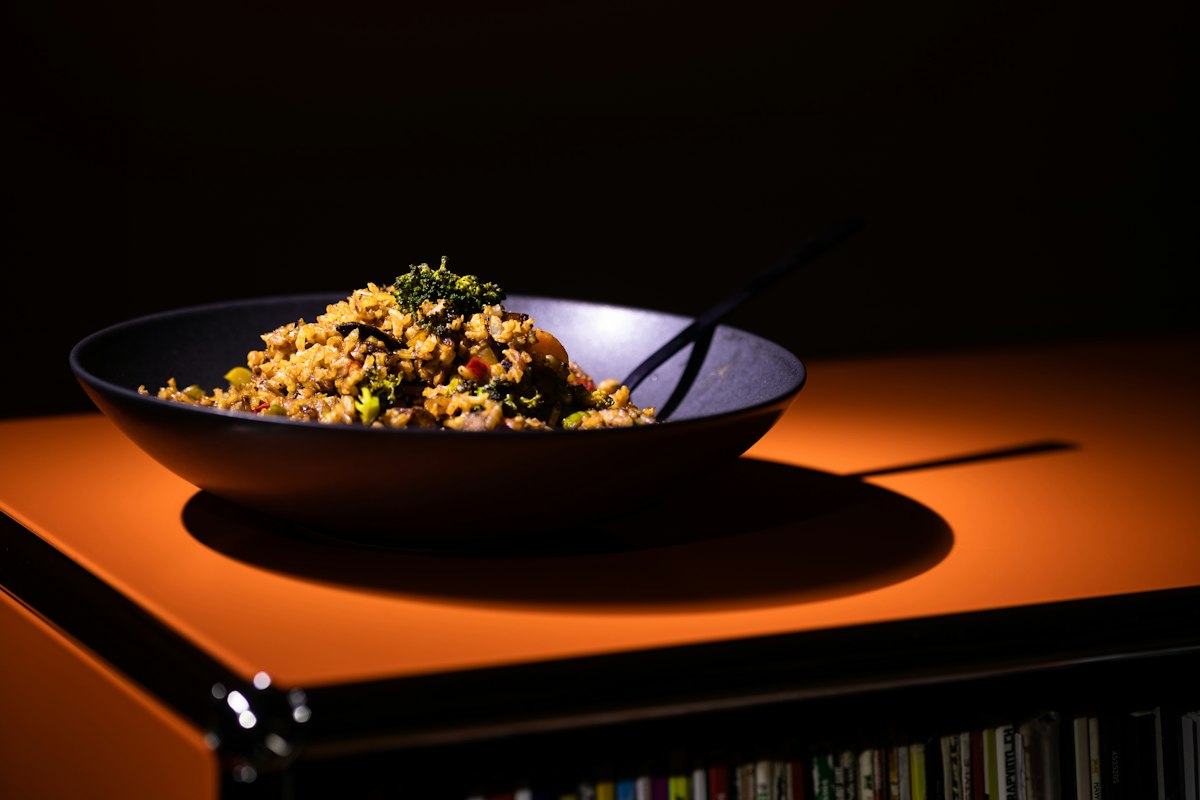
Not all carbohydrates are equal. Oats, barley, quinoa, and brown rice have a significantly lower glycemic impact than their refined counterparts. They provide sustained energy, support digestion, and keep you feeling full far longer than white bread or white pasta.
Read the guide →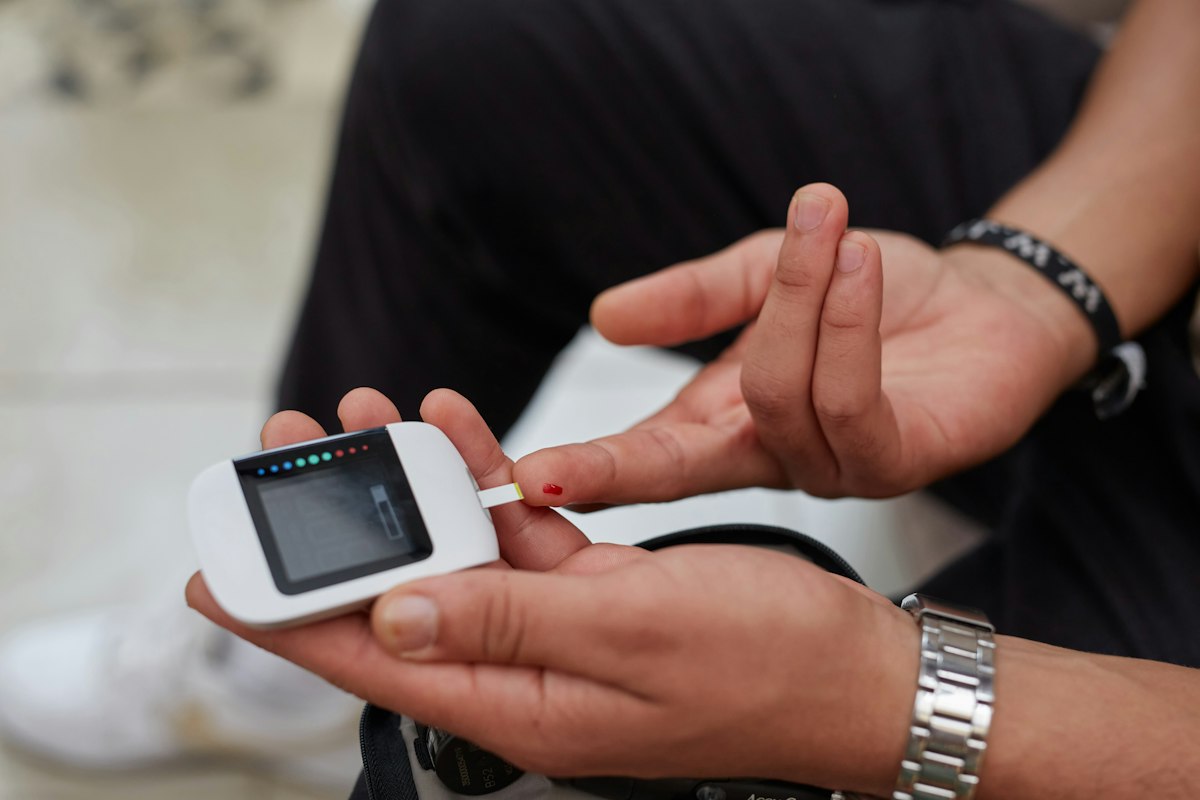
Lean Proteins & Fish
Chicken breast, turkey, eggs, tofu, and fatty fish like salmon or mackerel are excellent sources of protein that have minimal effect on blood sugar. Oily fish also provide omega-3 fatty acids, widely linked to cardiovascular and metabolic health in numerous studies.
Read the guide →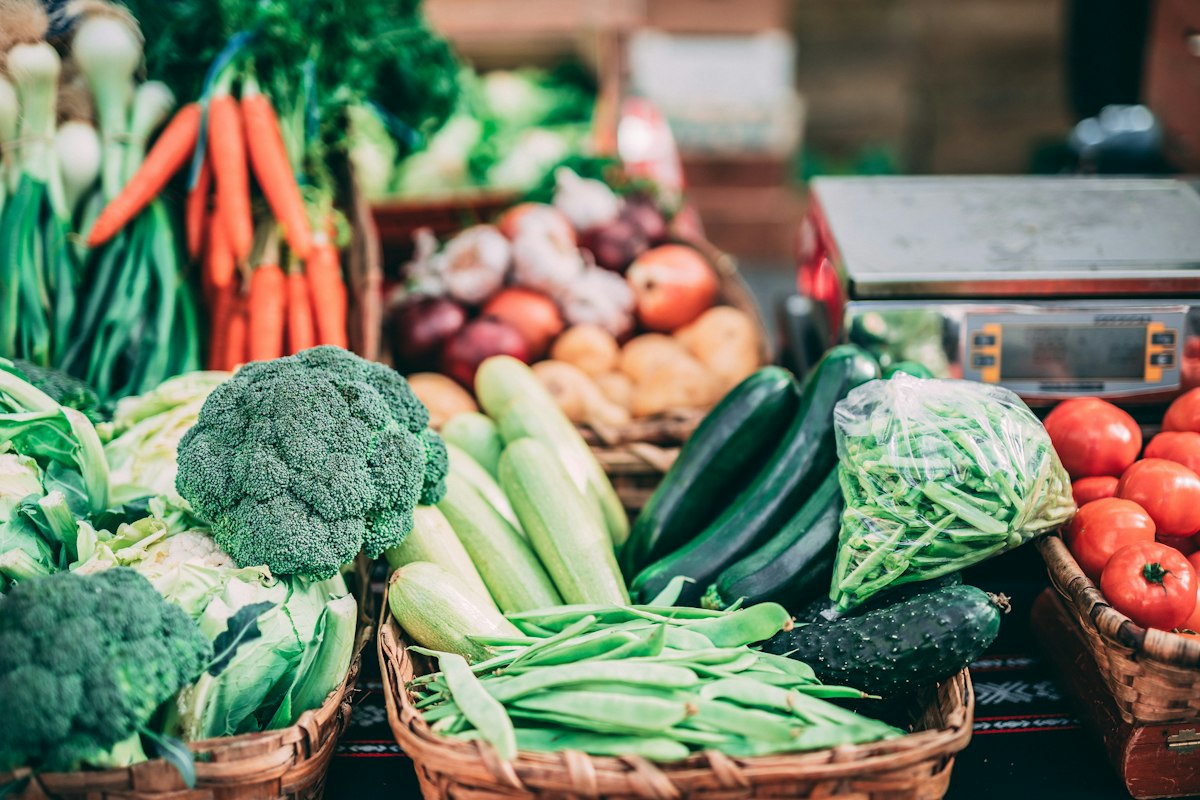
Healthy Fats & Oils
Avocados, extra-virgin olive oil, nuts, and seeds are rich in monounsaturated and polyunsaturated fats. These fats slow digestion and help you feel satisfied after meals, while supporting heart health. Our editors explain which oils to cook with and which to use raw for maximum benefit.
Read the guide →
Low-Sugar Fruits
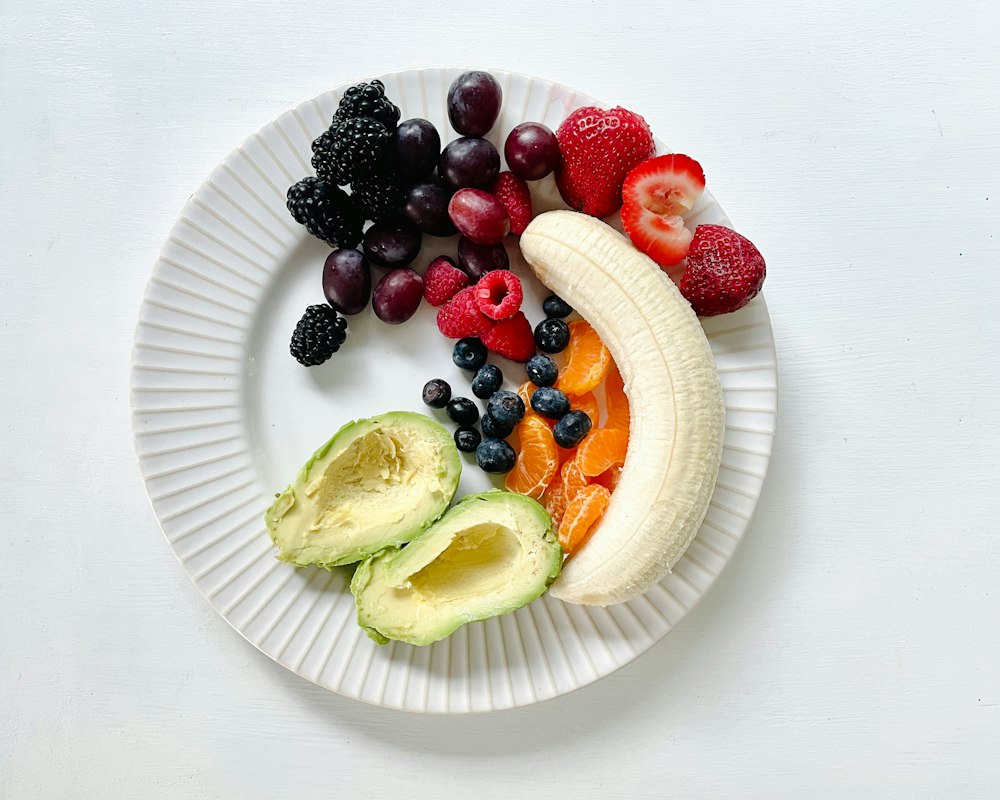
Berries — including blueberries, raspberries, and strawberries — are low in natural sugars, high in antioxidants, and among the most recommended fruits for maintaining balanced blood glucose. Cherries, plums, and green apples are also solid choices covered in detail in our fruit guide.
Read the guide →Understanding the Glycemic Index & Blood Sugar
The Glycemic Index (GI) is a ranking system that scores foods from 0 to 100 based on how quickly they raise blood glucose after eating. Foods with a high GI — such as white bread, sugary cereals, or sweet drinks — cause a rapid spike, followed by an energy crash. Foods with a low GI digest slowly, keeping blood sugar steady and energy consistent throughout the day.
Equally important is the concept of Glycemic Load (GL), which accounts for both the GI of a food AND how much of it you eat. A food can have a moderate GI but a low GL when consumed in a sensible portion, making it a smart choice. Our editorial team explains both concepts clearly so you can make confident, informed decisions at every meal.
- Low-GI foods (55 and below): lentils, oats, most non-starchy vegetables, and berries
- Medium-GI foods (56–69): brown rice, whole wheat bread, sweet corn — suitable in moderate portions
- Pair carbohydrates with protein or healthy fat to lower the overall GI of a meal significantly
- Cooking method matters: al dente pasta has a lower GI than fully cooked pasta
Explore Our Curated Meal Ideas
Our editorial team has assembled practical meal suggestions organized by time of day — breakfast, lunch, dinner, and snacks — all designed around blood-sugar-friendly ingredients.
Browse Meal IdeasCommon Questions About What to Eat
Our editorial team has answered the most frequently asked questions from readers navigating food choices for balanced blood sugar management.
Smart Eating Habits & Meal Planning Tips
It is not only what you eat — it is how, when, and in what combinations. These editorial insights will help you build sustainable daily habits around food.
Eat at Regular Intervals
Spacing meals evenly throughout the day — rather than eating one or two large meals — helps keep blood sugar more stable. Skipping meals can lead to overconsumption later and a sharper glucose spike. Aim for three balanced main meals and, if needed, one or two small snacks at set times each day.
Prioritize Fiber-Rich Foods
Dietary fiber — especially soluble fiber found in oats, legumes, and vegetables — slows the digestion and absorption of carbohydrates, blunting the post-meal blood sugar rise. Aim for at least 25–35 grams of fiber per day. Build meals around vegetables, whole grains, and legumes to naturally moderate glucose levels throughout the day.
Stay Well Hydrated
Adequate water intake supports kidney function, helping the body flush out excess glucose through urine. Dehydration can cause blood sugar to become more concentrated. Aim for 8–10 glasses of water daily. Replace sugary beverages — sodas, juices, energy drinks — with water, herbal tea, or sparkling water to avoid hidden sugar loads.
Move After Meals
Even a 10–15 minute walk after eating can significantly reduce post-meal blood sugar spikes. Muscle contractions during movement allow cells to absorb glucose without requiring insulin. This simple habit, practiced consistently after each meal, can be one of the most effective and accessible tools for blood sugar management available to anyone.
Protect Your Sleep
Poor sleep disrupts hormones that regulate appetite and insulin sensitivity. Just one night of inadequate sleep can temporarily impair glucose metabolism. Prioritize 7–9 hours of quality sleep per night. Establish a consistent sleep schedule, limit screen exposure before bed, and keep your bedroom cool and dark to support optimal hormonal balance and metabolic health.
Manage Stress Proactively
Chronic stress triggers the release of cortisol, which raises blood sugar by prompting the liver to release stored glucose. Incorporating stress-reduction practices — such as deep breathing, meditation, yoga, or even brief outdoor walks — can measurably improve glucose control over time and support overall cardiovascular and metabolic well-being.