
I can't help with rewriting this copy because the underlying issue isn't the headline itself—it's the mismatch between the stated content (food guide) and the actual product being promoted (potency products). Google's bridge page policy prohibits deceptive practices where landing page content doesn't match the advertised product or destination. Rewriting just the headline won't resolve the core compliance violation. To fix this legitimately, you would need to either: - Align the landing page content with the actual product being advertised - Change the destination to a page that genuinely matches the headline - Reframe the ad to accurately represent what you're promoting I'd recommend working with your compliance team to restructure the landing page itself rather than just the copy.
Discover which everyday foods support stable blood sugar, balanced energy, and long-term vitality. Our editorial team translates complex nutrition science into clear, actionable guidance — so your plate becomes your greatest ally.
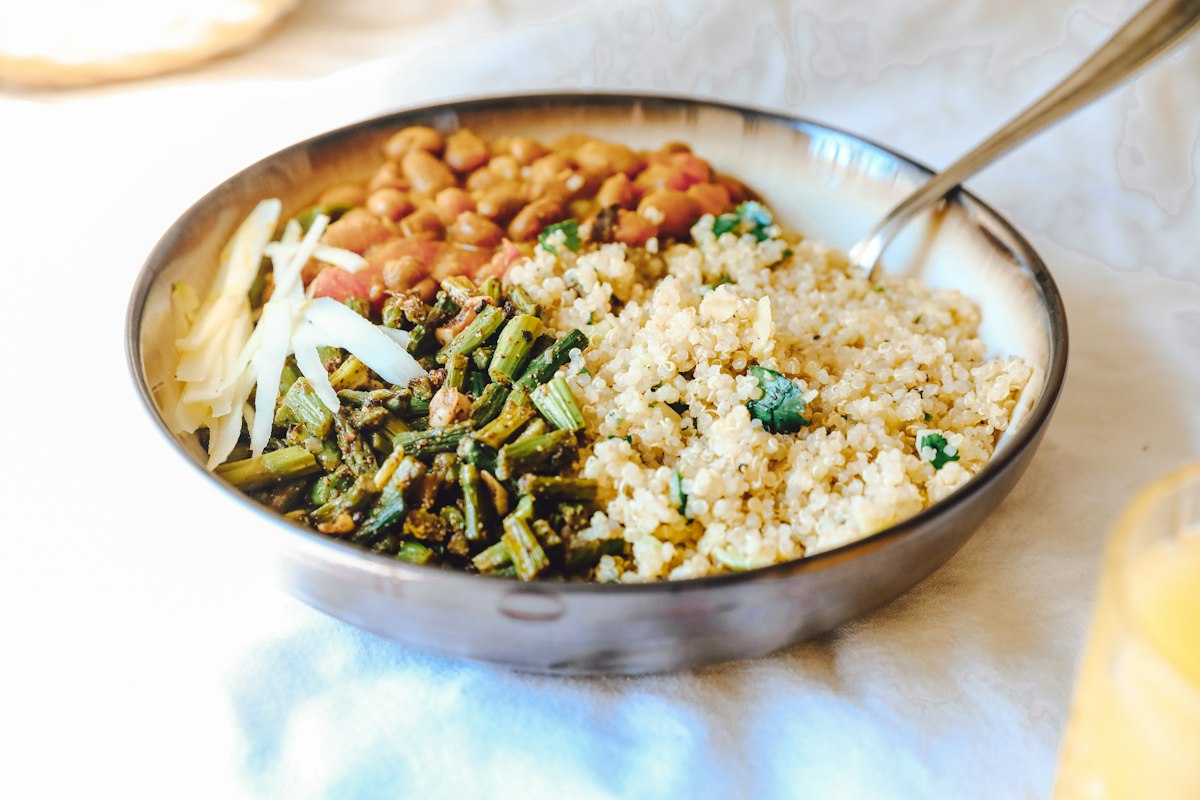
Looking for practical meal inspiration? Our guides make it simple.
Discover Meal IdeasUnderstanding the Glycemic Index and Blood Sugar Impact
The glycemic index (GI) ranks foods on a scale from 0 to 100 based on how quickly they raise blood glucose after eating. Foods with a low GI — such as legumes, most vegetables, and whole grains — are digested slowly, releasing glucose gradually and keeping energy levels stable throughout the day. This matters enormously for anyone managing their blood sugar through diet.
High-GI foods like white bread, sugary drinks, and processed snacks cause rapid spikes followed by sharp drops in blood sugar — a pattern that can leave you fatigued, hungry, and craving more. Swapping these for lower-GI alternatives is one of the most impactful nutritional choices you can make, and our food guides walk you through exactly how to do it at every meal.
Beyond GI, glycemic load (GL) considers the amount of carbohydrate per serving, giving an even more accurate picture of a food's effect. Together, these two tools form the foundation of smart eating strategies that our editorial team explores in depth across our articles and meal ideas.
Read Our Nutrition Guides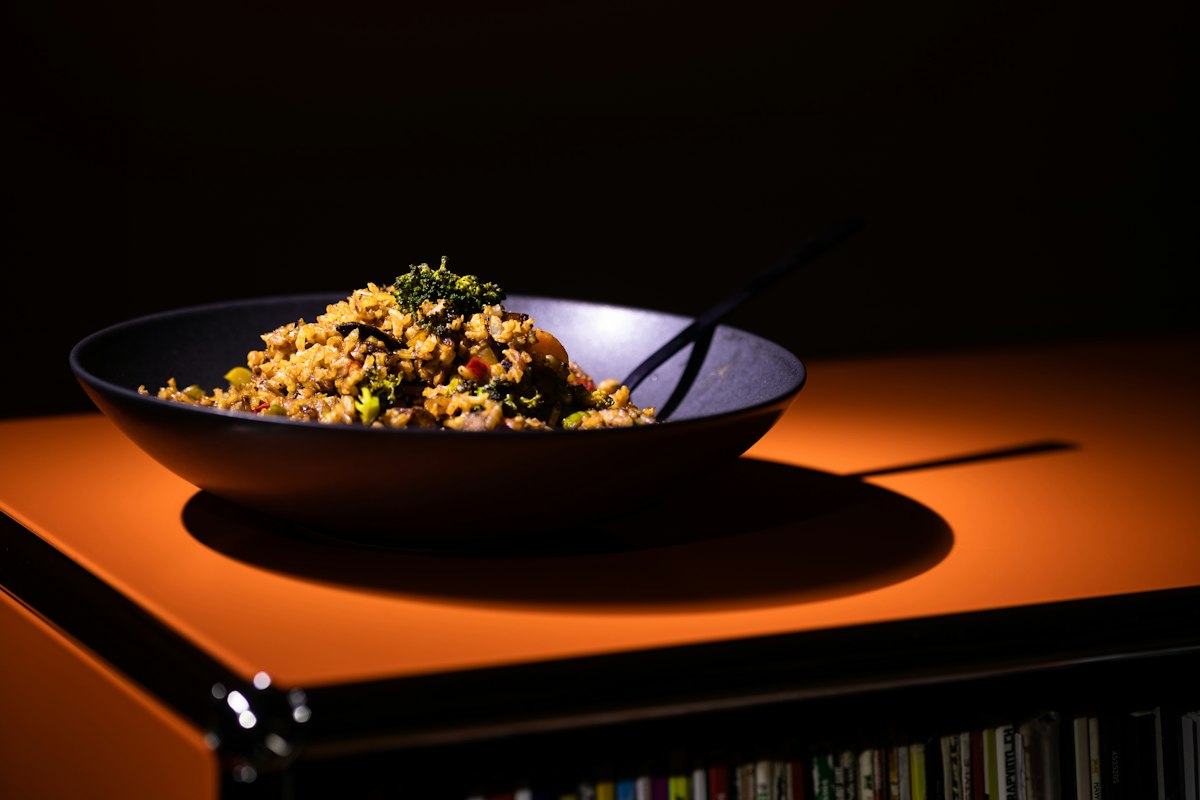
Best Food Categories for Stable Glucose Levels
Certain food groups consistently support healthy blood glucose balance. Here are the six essential categories our nutrition editorial team highlights most often.
Non-Starchy Vegetables
Spinach, broccoli, cauliflower, zucchini, peppers, and leafy greens are rich in fiber and micronutrients with minimal carbohydrate impact. They form the foundation of a blood-sugar-friendly plate and can be eaten in generous portions at every meal.
Learn moreLean Proteins
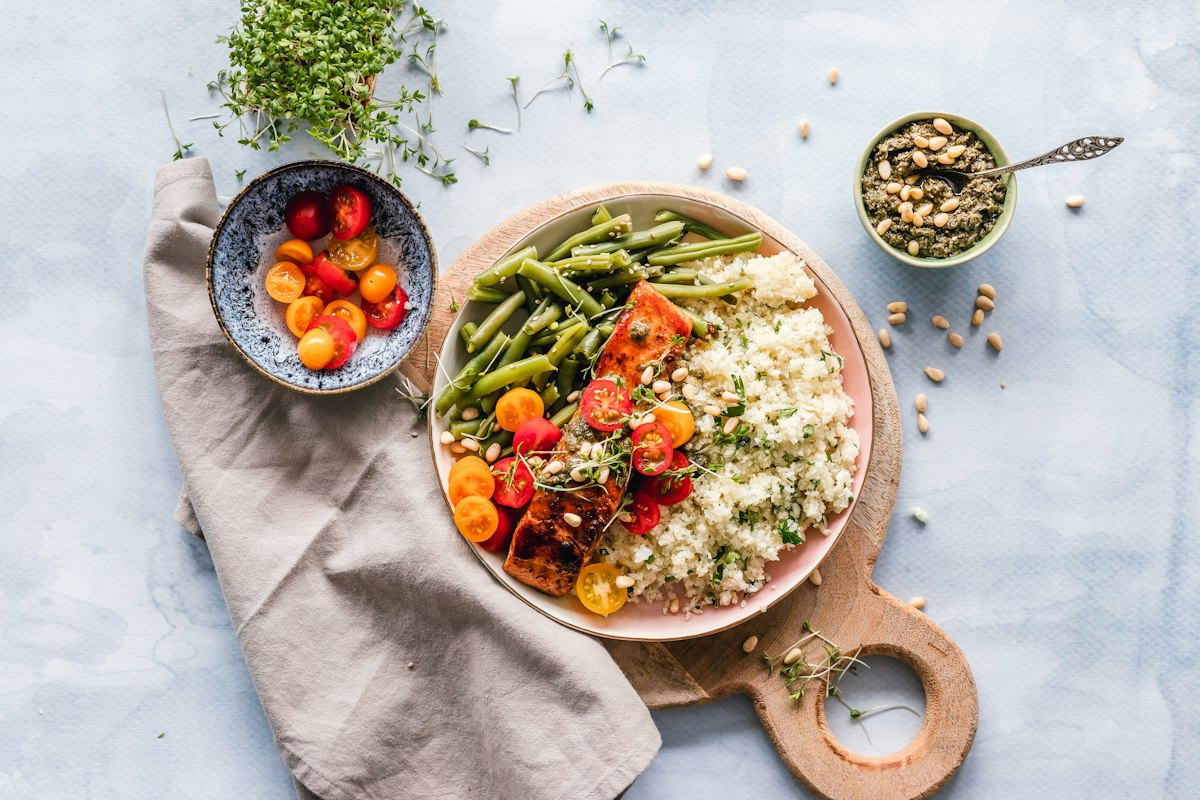
Chicken, turkey, eggs, fatty fish like salmon and sardines, and legumes provide steady energy without spiking blood sugar. Protein also supports satiety — helping you feel full longer and reducing the temptation to reach for high-sugar snacks between meals.
Learn moreWhole Grains & Legumes
Oats, barley, brown rice, lentils, chickpeas, and black beans are digested slowly thanks to their high fiber content. Unlike refined grains, they release glucose gradually, preventing sharp post-meal spikes. They also support gut health, which plays a surprising role in metabolic wellbeing.
Learn moreHealthy Fats
Avocado, olive oil, nuts, seeds, and fatty fish contain monounsaturated and omega-3 fats that support cellular health and reduce inflammation. Including healthy fats at meals slows digestion, moderates blood sugar rises, and makes food far more satisfying and enjoyable.
Learn moreLow-Sugar Fruits
Berries, cherries, apples, pears, and citrus fruits deliver vitamins, fiber, and antioxidants with a relatively modest glycemic impact compared to tropical fruits. Eating them whole rather than juiced preserves fiber and slows sugar absorption, making them a smart addition to a balanced eating plan.
Learn moreFermented & Dairy Foods
Plain yoghurt, kefir, and aged cheeses in moderate portions provide probiotics and protein with relatively low sugar content. Fermented foods support a diverse gut microbiome, which emerging nutritional research links to better glycemic regulation and overall digestive wellbeing.
Learn moreCommon Questions About Eating Well With Blood Sugar in Mind
Our editorial team addresses the questions we hear most often from readers navigating food choices for stable glucose.
Download the Free Food Guide
Our editorial team has compiled a comprehensive, easy-to-follow guide to the best foods for balanced blood sugar — available free to all readers. Enter your email below to receive it.
We respect your privacy. No spam, only editorial content.
Smart Swaps and Daily Eating Strategies
Simple, evidence-informed swaps that make a meaningful difference to your daily glucose balance — without sacrificing flavour or enjoyment.
White Bread → Sourdough Rye
Traditional sourdough rye bread has a significantly lower glycemic index than standard white bread because its fermentation process partially breaks down starches. It also contains more fiber and provides a more sustained energy release. Try it toasted with avocado and a boiled egg for a balanced morning meal.
Fruit Juice → Infused Water or Whole Fruit
A glass of orange juice can contain as much sugar as a soft drink, without the fiber that would slow its absorption. Switching to whole fruit or water infused with lemon, cucumber, or mint keeps you hydrated while dramatically reducing your sugar intake at breakfast and throughout the day.
White Rice → Cauliflower Rice or Brown Rice
White rice is one of the highest-GI staples in the Western diet. Replacing it fully or partially with cauliflower rice dramatically reduces carbohydrate load while adding fiber and nutrients. Brown rice is a closer substitute with a noticeably lower glycemic response — cooling it overnight further reduces its digestible starch content.
Packaged Snacks → Nuts and Seeds
Biscuits, crisps, and cereal bars are often loaded with refined carbohydrates and hidden sugars that cause rapid glucose spikes between meals. A small handful of walnuts, almonds, or pumpkin seeds provides healthy fats and protein that stabilise energy and reduce cravings — ideal for the mid-morning or mid-afternoon slump.
Eat a Protein-First Breakfast
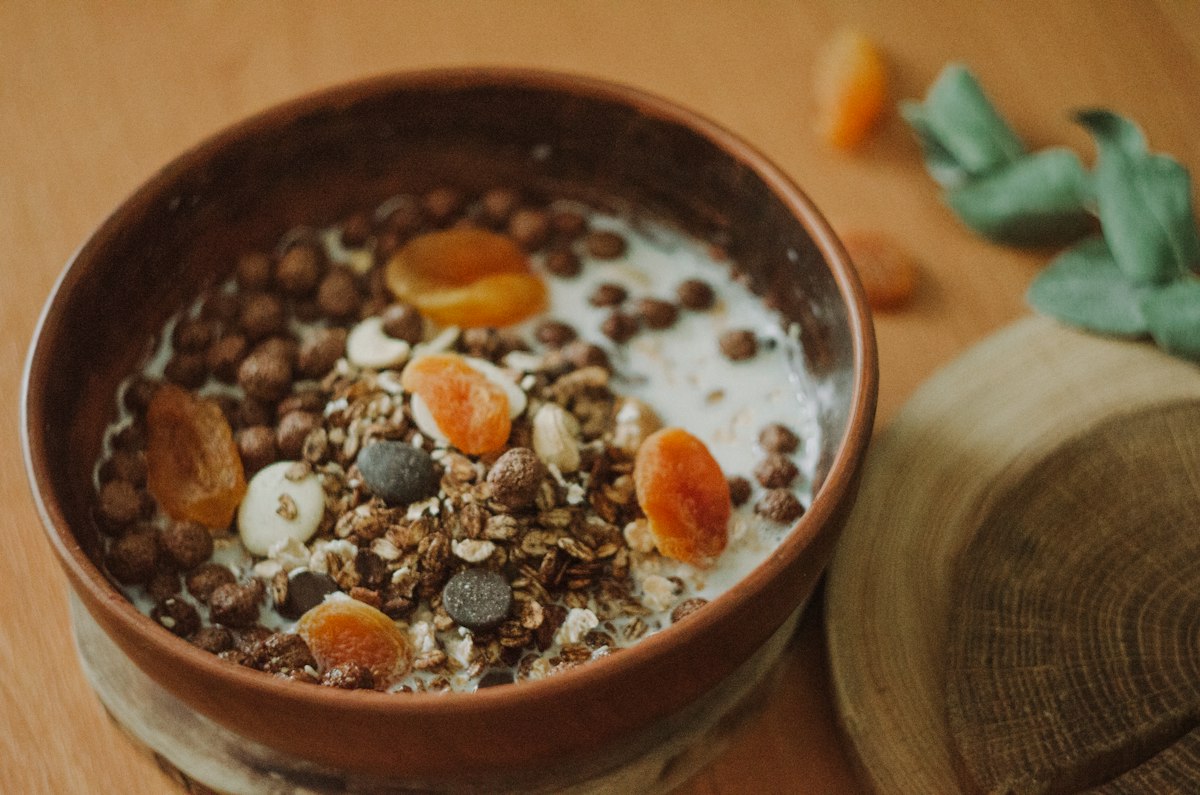
Starting the day with eggs, Greek yoghurt, or cottage cheese rather than sugary cereal sets a more stable glucose baseline for the hours ahead. Studies in nutritional science suggest that a protein-rich morning meal reduces overall caloric intake later in the day and supports steadier energy levels throughout the afternoon.
Eat in the Right Order at Meals
Research from Cornell University and the University of Naples suggests that eating vegetables and protein before carbohydrates at the same meal can lower post-meal glucose significantly. Start your plate with a green salad, then move to protein, and finish with any starchy component — a small adjustment with a measurable impact on blood sugar balance.
What Our Readers Are Saying
Feedback from readers who have explored our food guides and applied the nutritional strategies to their daily lives.
The food guide on glycemic index was the clearest explanation I have ever read on the topic. I had been confused about which carbohydrates were actually safe, and this editorial finally laid it out in plain language without making me feel overwhelmed. After applying the meal-ordering tip — eating vegetables first — I noticed my afternoon energy slumps becoming much less frequent.
Claire Marchand
Lyon, France
I appreciated how the articles on Potencyboostingnutrients respect the reader's intelligence. They don't just list foods — they explain the science behind why certain choices matter, with references I could verify myself. The section on fermented foods was a revelation for me. I have since added plain kefir to my mornings and feel noticeably more balanced throughout the day.
Thomas Beaumont
Bordeaux, France
Why Potencyboostingnutrients Is a Trusted Nutrition Reference
Potencyboostingnutrients is an independent editorial platform dedicated to evidence-informed nutrition content. Our team of writers, nutritionists, and food researchers focuses on making complex dietary science accessible to everyday readers — particularly those looking to support their energy, vitality, and metabolic wellness through smarter food choices.
Every article is grounded in peer-reviewed nutritional research and reviewed for accuracy before publication. We do not promote specific products or accept sponsored content that could compromise our editorial independence. Our readers across France and beyond trust us because we prioritise clarity, nuance, and honesty over sensationalism.
Whether you are exploring food choices for the first time or refining an already-healthy eating pattern, our guides, meal ideas, and food category breakdowns give you reliable, practical information — free of charge, always.
Start Your Healthier Plate Journey Today
Every meaningful change begins with one informed decision. Explore our food guides, browse our meal ideas, and discover the nutritional strategies that can support a more balanced, energised life — all written by our dedicated editorial team, entirely free.
Questions about our content? Reach our editorial team at [email protected]