
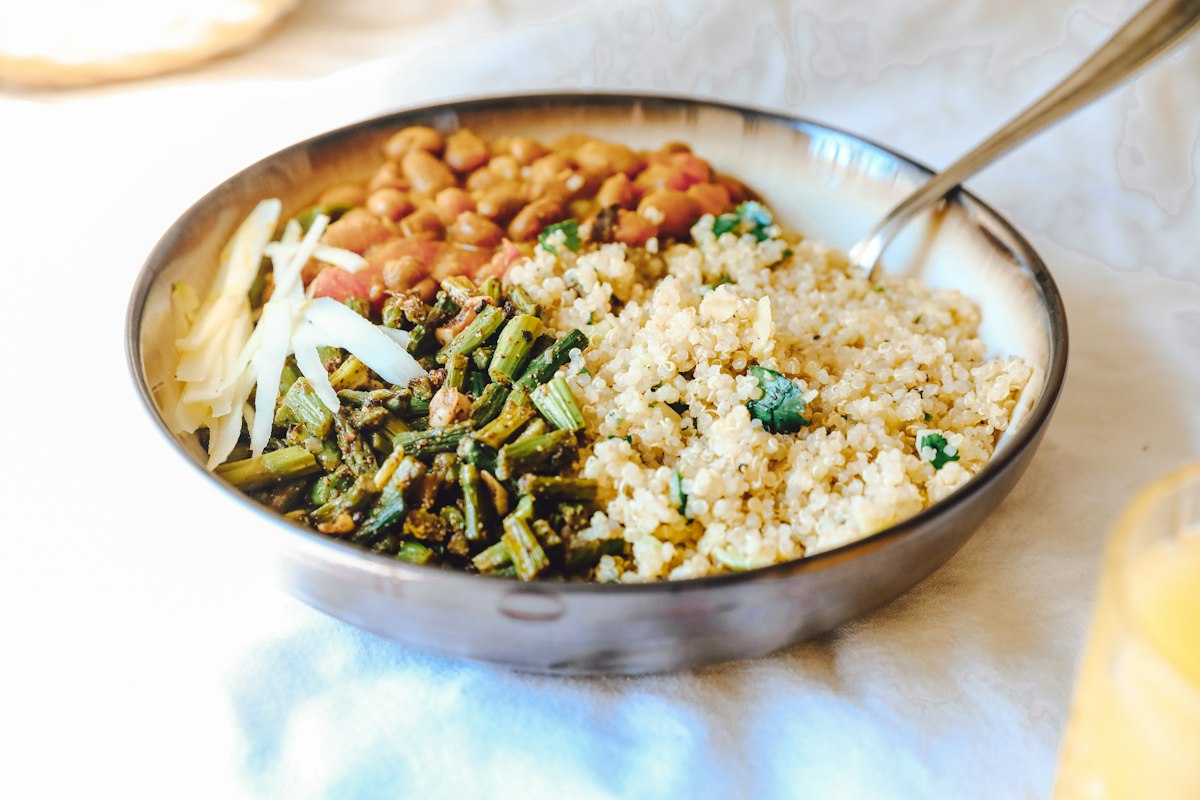
Eat Well, Live Well — Managing Blood Sugar Through Smart Food Choices
Discover which foods support stable energy, balanced nutrition, and long-term wellbeing. Our editorial team breaks down the science into simple, actionable guidance for everyday meals.
Looking for meal ideas that support healthy blood sugar? Explore our curated meal section →
Understanding the Glycemic Index and Why It Matters
The Glycemic Index (GI) is a ranking system that measures how quickly carbohydrate-containing foods raise blood sugar levels after eating. Foods are scored from 0 to 100, with pure glucose as the reference point at 100. Understanding where your everyday foods fall on this scale is one of the most practical tools for smart eating.
Low-GI foods (those scoring 55 or below) cause a slower, more gradual rise in blood sugar, which supports sustained energy and reduced cravings throughout the day. High-GI foods, on the other hand, trigger rapid spikes followed by crashes — a cycle that can leave you feeling fatigued and hungry shortly after meals.
The good news is that many delicious, everyday foods fall into the low-GI category — from lentils and oats to berries and leafy greens. Learning to build your meals around these foods is a practical, enjoyable shift rather than a restrictive sacrifice.
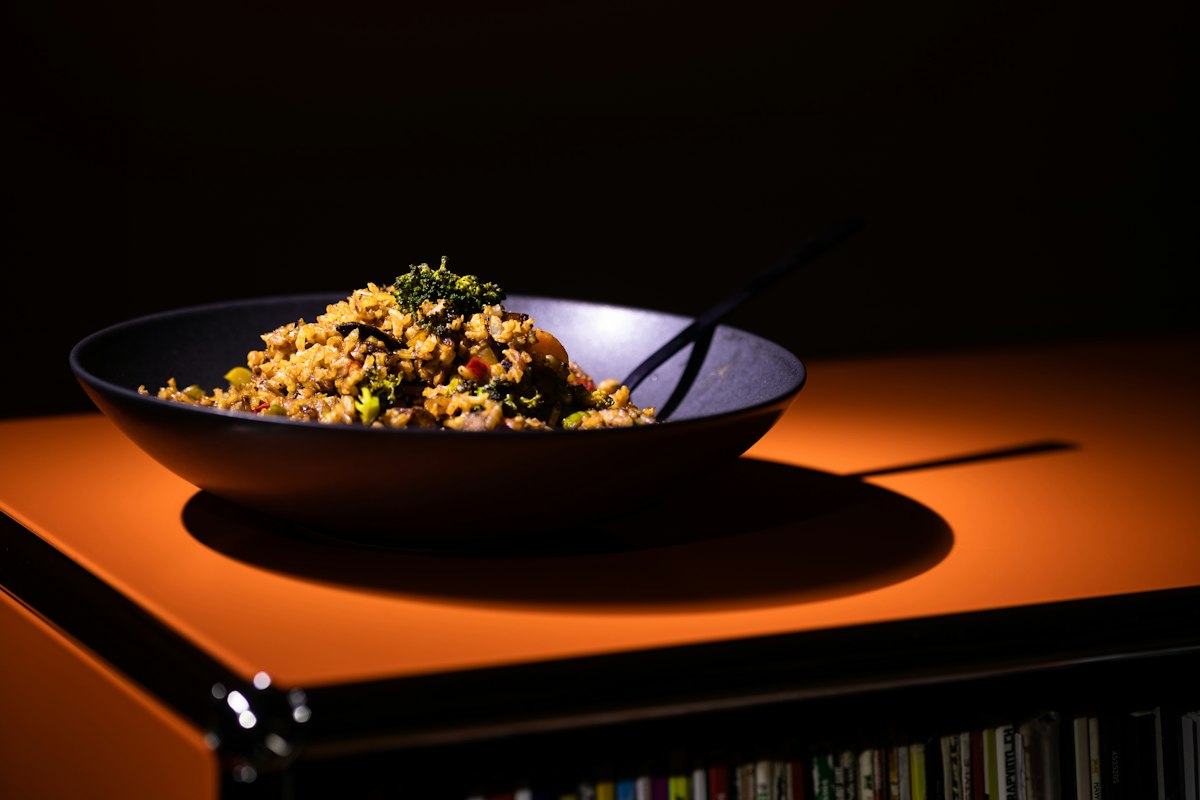
Top Food Categories: Safe & Beneficial Choices
From vibrant vegetables to protein-rich legumes, these food groups form the foundation of a balanced, blood-sugar-friendly eating pattern.
Non-Starchy Vegetables
Spinach, broccoli, kale, zucchini, bell peppers, and cauliflower are nutritional powerhouses with minimal impact on blood sugar. They are rich in fiber, vitamins, and antioxidants.
- High in fiber
- Very low GI (10–20)
- Nutrient-dense
Lean Proteins
Chicken breast, turkey, eggs, tofu, and fish are excellent protein sources that have virtually no effect on blood sugar while keeping you satiated for longer periods throughout the day.
- GI of 0
- Promotes satiety
- Muscle-supportive
Whole Grains
Oats, quinoa, brown rice, barley, and whole wheat bread digest more slowly than refined grains, leading to a gentler blood sugar response and prolonged energy release.
- Low to medium GI
- Sustained energy
- Rich in B vitamins
Legumes & Pulses
Lentils, chickpeas, black beans, and kidney beans are among the best foods for blood sugar stability. Their high fiber and protein content slows digestion significantly and supports gut health.
- GI of 25–40
- High in plant protein
- Gut-friendly fiber
Low-Sugar Fruits
Berries, cherries, apples, and pears offer natural sweetness along with fiber and antioxidants. When eaten whole (not juiced), these fruits have a moderate and manageable effect on blood sugar.
- Rich in antioxidants
- Natural sweetness
- GI of 20–50
Healthy Fats
Avocados, olive oil, nuts, and seeds provide heart-supportive unsaturated fats that slow the absorption of carbohydrates when eaten together, further moderating the blood sugar impact of a meal.
- Slows carb absorption
- Heart-supportive
- Zero GI impact
How to Build a Blood-Sugar-Friendly Plate
No complicated counting needed. Follow this practical plate method to create balanced meals that keep your energy steady and your nutrition complete.
Fill Half Your Plate With Vegetables
Start with non-starchy vegetables as your base — think salad greens, roasted broccoli, steamed green beans, or sautéed spinach. These add volume, fiber, and essential micronutrients without meaningfully raising blood sugar. Aim for color variety across the week to maximize your intake of different vitamins and plant compounds.
Add a Quarter of Lean Protein
Reserve one quarter of your plate for a lean protein source such as grilled chicken, baked salmon, a boiled egg, or seasoned tofu. Protein slows digestion and blunts blood sugar spikes from carbohydrates eaten in the same meal. It also keeps you feeling full longer, reducing the urge to snack between meals.
Choose Smart Carbohydrates for the Last Quarter
The remaining quarter of your plate is where carbohydrates go — but choose wisely. Opt for low-GI options like cooked lentils, quinoa, sweet potato, or a slice of whole grain bread. Portion size matters just as much as the type: a cupped handful (approximately 150–200g cooked) is a practical serving guide for most adults.
Add Healthy Fats and Drink Water
Drizzle your vegetables with extra-virgin olive oil, add a small handful of nuts as a garnish, or include half an avocado on the side. These healthy fats enhance nutrient absorption and further slow carbohydrate digestion. Always pair your meal with water or unsweetened herbal tea — hydration supports kidney function and overall metabolic balance.
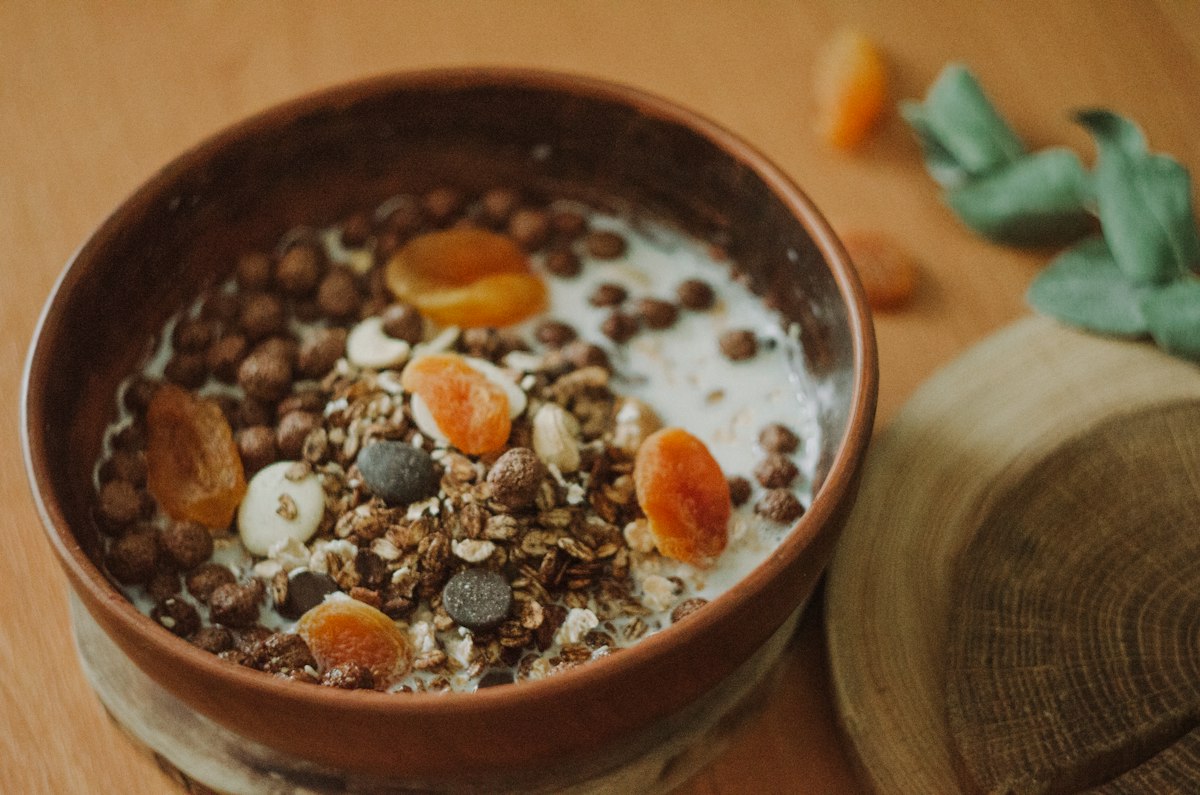
The Plate Method — Simple, Visual, Effective
No calorie counting. No complicated formulas. Just one clear visual guide at every meal.
Want Practical Meal Inspiration?
Our editorial team has compiled a full collection of meal ideas designed around the plate method — organized by occasion, season, and ingredient availability.
Browse Meal IdeasFoods to Enjoy vs. Foods to Limit
Small, sustainable swaps make a significant difference over time. Here is a practical comparison to guide your grocery shopping and meal planning.
Focus On These Foods
- Leafy greens — spinach, kale, Swiss chard, romaine
- Fatty fish — salmon, mackerel, sardines (omega-3 rich)
- Berries — blueberries, strawberries, raspberries
- Nuts & seeds — walnuts, almonds, chia, flaxseed
- Legumes — lentils, black beans, chickpeas
- Whole grains — oats, quinoa, barley, bulgur
- Unsweetened dairy — plain Greek yogurt, cottage cheese
- Herbs & spices — cinnamon, turmeric, ginger, garlic
Limit or Avoid These Foods
- Sugary beverages — sodas, fruit juices, energy drinks
- White bread & refined pasta — high GI, minimal fiber
- Processed snacks — crackers, chips, cookies, pastries
- Sweetened cereals — most breakfast cereals with added sugar
- Fried foods — french fries, battered fish, fried chicken
- Full-fat processed meats — sausages, hot dogs, salami
- Sweetened yogurts & flavored milk — added sugar content
- Alcohol — particularly beer and sugary cocktails
Common Questions About What to Eat
Our editorial team addresses the most frequently asked questions from readers managing their nutrition for blood sugar stability.